By Peplyte 25 days ago.
The immune system maintains body homeostasis through a complex network of cells and molecules, while dysregulated immune responses can lead to infections, chronic inflammation, or autoimmune diseases. The core of immune regulation, inflammation alleviation, and adjuvant therapy for autoimmune diseases lies in precise intervention in immune cell activation, inflammatory signaling pathways, and immune tolerance mechanisms. As bioactive molecules, peptide substances, with their high target specificity and biocompatibility, can specifically modulate immune cell functions, block pro-inflammatory signal transduction, and reshape the immune microenvironment, providing innovative solutions for the treatment of infectious diseases, autoimmune disorders, and inflammation-related conditions.
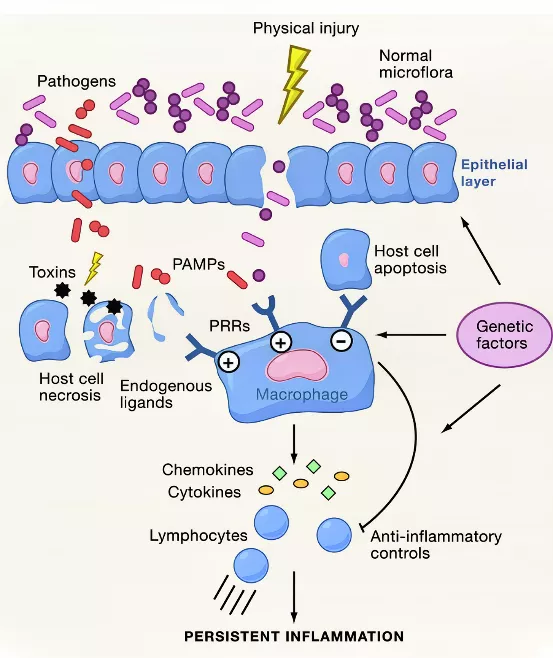
Figure 1 A Generalized Scheme to Explain the Origin of Chronic Inflammation. Source: Innate Immunity Gone Awry: Linking Microbial Infections to Chronic Inflammation and Cancer (2006).
Core Application Areas
1. Immune Regulation: Reshaping Immune Cell Response Equilibrium
Peptide substances achieve bidirectional regulation of the intensity and direction of immune responses by modulating the differentiation, proliferation, and effector functions of immune cells.
Directed regulation of T cell subsets
Peptides such as Thymosin Alpha-1, as bioactive peptides derived from the thymus, primarily promote the maturation of T cell precursors into functional T cells, enhancing the synergistic effects between CD4⁺ helper T cells and CD8⁺ cytotoxic T cells. By activating intracellular signaling pathways, these peptides improve the antigen recognition ability of T cells, promote cytokine secretion, and enhance the body’s efficiency in clearing pathogens and abnormal cells, making them suitable for infection prevention in immunocompromised individuals and adjuvant cancer therapy.
Regulatory T cell-inducing peptides
Short peptides derived from natural human proteins can selectively activate the proliferation of regulatory T cells (Tregs) and inhibit overactivated effector T cells. These Tregs maintain immune tolerance in organ transplant rejection and autoimmune diseases by secreting inhibitory cytokines to suppress excessive immune activation.
Enhancement of innate immune cell functions
Antimicrobial peptides (AMPs) such as LL37 exhibit dual functions of antimicrobial activity and immune regulation. They directly act on pathogen membranes for bactericidal effects and induce dendritic cell maturation, promoting antigen presentation and T cell activation, thus playing a critical role in immune defense at physical barriers such as the skin and mucosa.
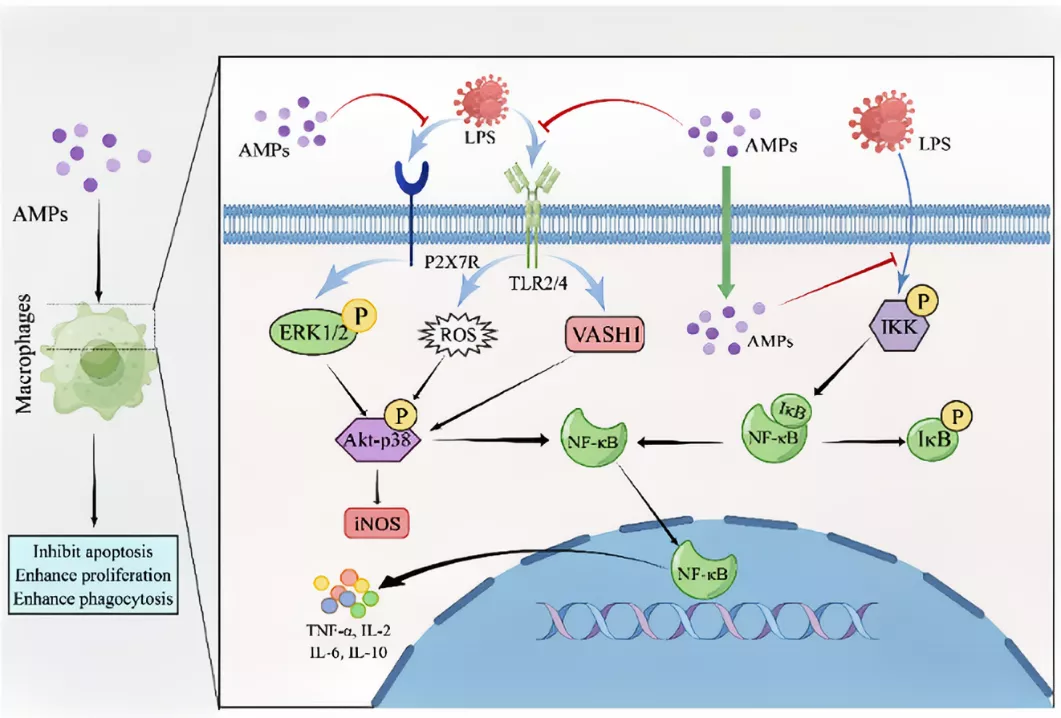
Figure 2 The regulatory mechanism of AMPs on macrophages. Source: The Contribution of Antimicrobial Peptides to Immune Cell Function: A Review of Recent Advances (2023).
2. Inflammation Alleviation: Multi-pathway Blockade of Inflammatory Cascades
Targeting key nodes of the inflammatory response, peptide substances exert effects by inhibiting pro-inflammatory signals, promoting anti-inflammatory mediator production, and repairing the tissue microenvironment.
Central inhibition of the NF-κB pathway
Gastrointestinal protective peptides such as BPC-157 intervene in the nuclear factor κB (NF-κB) signaling pathway, suppressing the transcription and release of pro-inflammatory cytokines and reducing local tissue inflammatory edema. Additionally, they promote the expression of mucosal repair-related genes, accelerating the healing of damaged tissues, demonstrating dual anti-inflammatory and reparative effects in diseases such as inflammatory bowel disease and gastric ulcers.
Kininogen-derived peptides
Peptides such as KPV regulate neutrophil activity and adhesion molecule expression, reducing the infiltration of inflammatory cells at injury sites, decreasing oxidative stress damage, and improving the local microenvironment. These properties make them suitable for treating inflammation-related diseases such as ischemia-reperfusion injury and diabetic foot ulcers.
Synergistic regulation of mitochondria and oxidative stress
Mitochondria-targeted peptides such as SS-31 target mitochondrial membrane structures, protecting mitochondrial functional integrity, reducing excessive reactive oxygen species (ROS) production, and inhibiting apoptosis signal activation. This alleviates oxidative stress-induced tissue damage and provides organ protection in cardiovascular inflammation and neurodegenerative diseases.
3. Adjuvant Therapy for Autoimmune Diseases: Reconstructing the Immune Tolerance Microenvironment
Aiming at the misdirected attack of the immune system on self-components in autoimmune diseases, peptide substances exert adjuvant therapeutic effects by regulating immune recognition and effector functions.
Antigen-specific immune tolerance induction
Short peptides derived from self-antigen epitopes bind to molecules on the surface of antigen-presenting cells, inducing immune cell tolerance to self-antigens. This reduces the production of autoantibodies and the tissue attack by effector T cells, providing a targeted intervention strategy for diseases such as rheumatoid arthritis and systemic lupus erythematosus.
Balanced regulation of the cytokine network
Certain peptides modulate the differentiation of Th1/Th2/Th17 cell subsets and cytokine secretion patterns, inhibiting excessive expression of pro-inflammatory factors and promoting the production of anti-inflammatory cytokines. This alleviates chronic inflammatory responses in autoimmune diseases and improves tissue damage.
Conclusion
Peptide substances in the field of immunity and anti-inflammation have become important tools for regulating immune balance and controlling inflammatory responses due to their precise target specificity and multi-mechanistic synergistic effects. By intervening in T cell differentiation, inflammatory signaling pathways, and immune tolerance mechanisms, these substances not only enhance the body’s defense against pathogens but also inhibit tissue damage caused by excessive immune responses, providing differentiated solutions for the treatment of infectious diseases, autoimmune disorders, and chronic inflammation.
ALL ARTICLES AND PRODUCT INFORMATION PROVIDED ON THIS WEBSITE ARE SOLELY FOR INFORMATION DISSEMINATION AND EDUCATIONAL PURPOSES.
The products provided on this website are intended exclusively for in vitro research. In vitro research (Latin: *in glass*, meaning in glassware) is conducted outside the human body. These products are not pharmaceuticals, have not been approved by the U.S. Food and Drug Administration (FDA), and must not be used to prevent, treat, or cure any medical condition, disease, or ailment. It is strictly prohibited by law to introduce these products into the human or animal body in any form.
<
By Peplyte 25 days ago.
Beyond core domains such as metabolic regulation and immune anti-inflammation, peptide substances exhibit unique value in specialized scenarios including respiratory disease intervention, cardiovascular function protection, and experimental research tool development, owing to their high structural diversity and biological activity. These applications break through the limitations of traditional drugs, providing innovative solutions for complex disease treatment and basic scientific research through targeted mucosal repair in the respiratory system, regulation of cardiovascular cell signaling pathways, and precise control of experimental models. Their core advantages—high target specificity, low immunogenicity, and customizable synthesis—drive the cross-disciplinary expansion of peptides from clinical therapy to multidisciplinary applications.
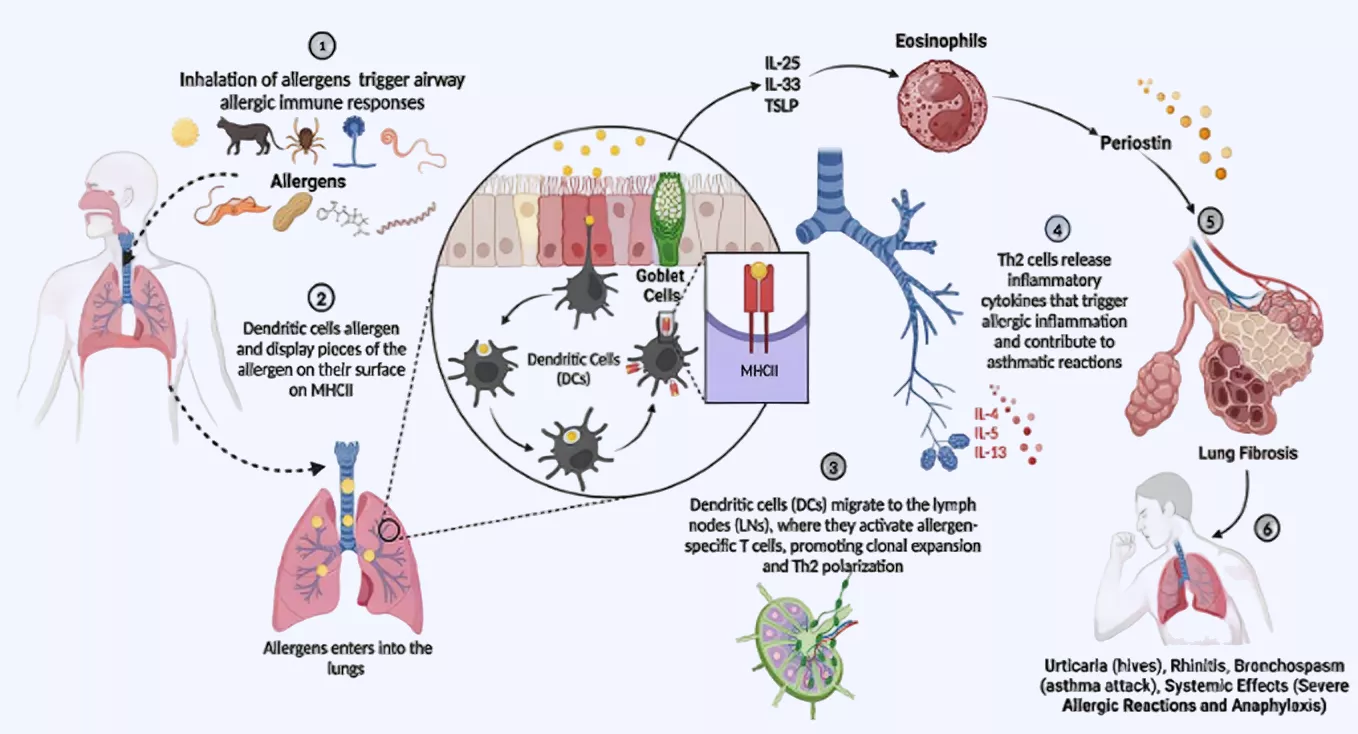
Figure 1. Schematic representation of the pathologic immune response in the airways. Source: Proinflammatory Cytokines in Chronic Respiratory Diseases and Their Management (2025).
Application Areas
1. Respiratory System: Airway Repair and Inflammation Regulation
For refractory diseases such as chronic obstructive pulmonary disease (COPD), pulmonary fibrosis, and allergic asthma, peptide substances act through anti-inflammation, antioxidation, and mucosal repair.
Airway mucosal protection and repair
Bronchial repair peptides promote airway epithelial cell proliferation and tight junction protein synthesis by activating epidermal growth factor receptor and transforming growth factor-β pathways, repairing mucosal damage caused by smoking or pollution. Their inhibition of neutrophil chemotactic factors reduces airway inflammatory responses in patients, decreasing the frequency of acute exacerbations.
Antimicrobial peptides (e.g., LL37 derivatives) reduce the risk of pulmonary infection in cystic fibrosis by disrupting Pseudomonas aeruginosa biofilms and regulating macrophage phagocytosis. They also inhibit excessive release of inflammatory factors, delaying the progression of pulmonary fibrosis.
Pulmonary fibrosis intervention
Pineal regulatory peptides (e.g., Pinealon) inhibit excessive activation of lung fibroblasts by regulating mitochondrial function and telomerase activity, reducing abnormal deposition of type I collagen and fibronectin. In bleomycin-induced pulmonary fibrosis models, they significantly mitigate alveolar septal thickening and improve lung function.
2. Cardiovascular System: Vascular Protection and Myocardial Repair
For diseases such as atherosclerosis, myocardial infarction, and heart failure, peptide substances act by regulating angiogenesis, anti-myocardial apoptosis, and improving energy metabolism.
Angiogenesis and endothelial protection
Angiogenic peptides mimic the function of vascular endothelial growth factor, promoting endothelial cell proliferation, migration, and lumen formation. In ischemic heart disease, they induce collateral circulation formation to improve myocardial blood supply. Their activation of vascular endothelial nitric oxide synthase enhances vascular dilation and reduces the risk of atherosclerotic plaque formation.
Cardioprotective peptides (e.g., Corgaten) target myocardial mitochondrial membranes, inhibiting cytochrome C release and apoptosis pathway activation. This reduces myocardial cell necrosis caused by ischemia-reperfusion injury, improves cardiac systolic function after myocardial infarction, decreases fibrosis area, and delays heart failure progression.
Antithrombotic and lipid regulation
RGD-derived peptides inhibit platelet aggregation by blocking the binding of platelet surface integrins to fibrinogen, serving as key molecules in the development of novel antithrombotic drugs. Their advantage lies in a lower bleeding risk compared to traditional anticoagulants.
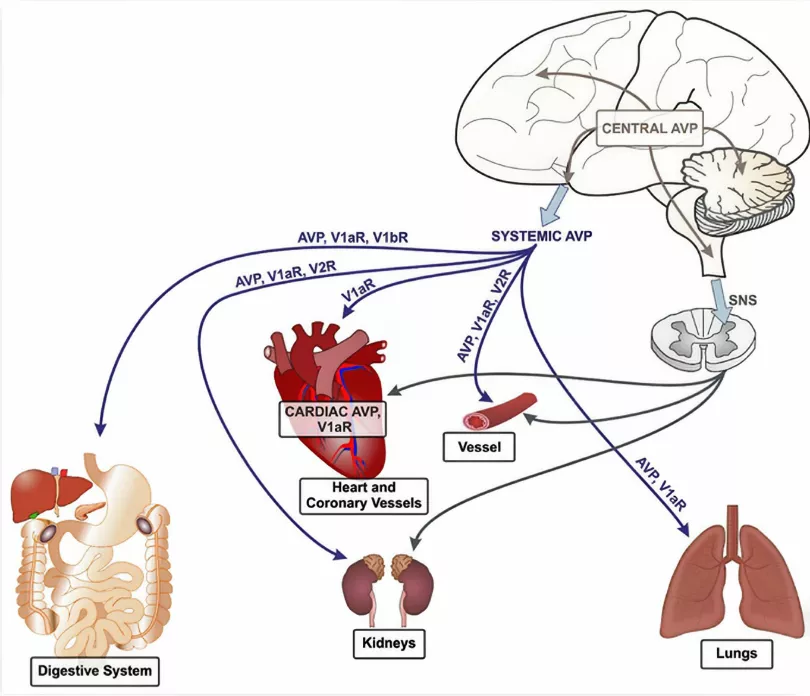
Figure 2. Components of the vasopressin system involved in the regulation of blood flow in the brain, heart, vessels, kidney, lungs and digestive system. AVP—arginine vasopressin; SNS—sympathetic nervous system; V1aR—vasopressin V1a receptors; V1bR—vasopressin V1b receptors; V2R—vasopressin V2 receptors. Source: The Heart as a Target of Vasopressin and Other Cardiovascular Peptides in Health and Cardiovascular Diseases (2022).
3. Experimental Research: Development and Application of Precision Tool Peptides
In basic medicine and drug development, peptide substances serve as efficient tool molecules to advance precise mechanism research and model construction.
Signaling pathway probes
Certain peptides (e.g., Src kinase inhibitory peptides) specifically block the activity of Src family kinases, used to study signal transduction mechanisms in cell proliferation and migration. Their high affinity enables spatiotemporal precise regulation of specific pathways.
G protein-coupled receptor (GPCR) ligand peptides (e.g., PT141 analogs)
These peptides are used to dissect GPCR-mediated cellular signal transduction networks, providing models for screening drug targets in metabolic diseases.
Conclusion
The application of peptide substances in other special applications highlights the adaptability and innovation of these molecules in cross-disciplinary scenarios. In the respiratory system, they provide end-to-end protection from mucosal repair to fibrosis intervention; in cardiology, they break through traditional therapeutic bottlenecks via angiogenesis and myocardial protection; in experimental research, they act as precision tools to advance mechanism analysis and drug discovery. These applications not only fill treatment gaps for specific diseases but also demonstrate the bridging role of peptide substances in basic research and clinical translation.
ALL ARTICLES AND PRODUCT INFORMATION PROVIDED ON THIS WEBSITE ARE SOLELY FOR INFORMATION DISSEMINATION AND EDUCATIONAL PURPOSES.
The products provided on this website are intended exclusively for in vitro research. In vitro research (Latin: *in glass*, meaning in glassware) is conducted outside the human body. These products are not pharmaceuticals, have not been approved by the U.S. Food and Drug Administration (FDA), and must not be used to prevent, treat, or cure any medical condition, disease, or ailment. It is strictly prohibited by law to introduce these products into the human or animal body in any form.
<
By Peplyte 24 days ago.
The metabolic and endocrine systems regulate human material metabolism, energy balance, and growth and development through a sophisticated hormonal network. Disruption of this homeostasis can lead to significant health issues such as diabetes, obesity, and growth disorders. Lifestyle factors including poor diet (e.g., diets high in processed foods, refined carbohydrates, and additives), sedentary behavior, insufficient sleep, and stress are critical triggers for endocrine dysfunction. These factors not only directly contribute to obesity but also alter metabolic signaling and induce systemic inflammation through reactive oxygen species (ROS) generated by exposome factors, further compromising metabolic and endocrine health. For example, diet-induced gut microbiota dysbiosis and hormonal disorders—including insulin resistance and disruptions in other hormones involved in metabolism and feeding behavior—embody these damaging mechanisms.
Against this backdrop, precise intervention in hormone secretion and material metabolic processes is crucial for maintaining health across core regulatory pathways, such as diabetes management, weight control, growth hormone regulation, and energy metabolism improvement. Peptide-based pharmaceuticals, characterized by high biological activity and strong target specificity, exhibit unique advantages in these key pathways, offering innovative solutions for the prevention and treatment of related diseases.
Metabolic Health and Endocrine Function
The endocrine system comprises a complex network of glands that produce and release hormones related to energy production, utilization, storage, and feeding behavior. Efficient signaling pathways are essential for regulating metabolism. Maintaining metabolic health and endocrine function is critical, and the core application areas of peptide products are as follows:
1. Diabetes Management: Restoring Glycemic Homeostasis and Protecting Against Complications
In the comprehensive management of type 2 diabetes, peptide-based pharmaceuticals serve as key tools for glycemic control by optimizing insulin secretion and utilization.
Enhancing insulin efficiency
Certain peptides (e.g., GLP-1 receptor agonists semaglutide, mazdutide) enhance the glucose sensitivity of pancreatic β-cells, promoting demand-driven insulin secretion while inhibiting glucagon release and reducing hepatic glucose output. This significantly improves fasting and postprandial blood glucose levels.
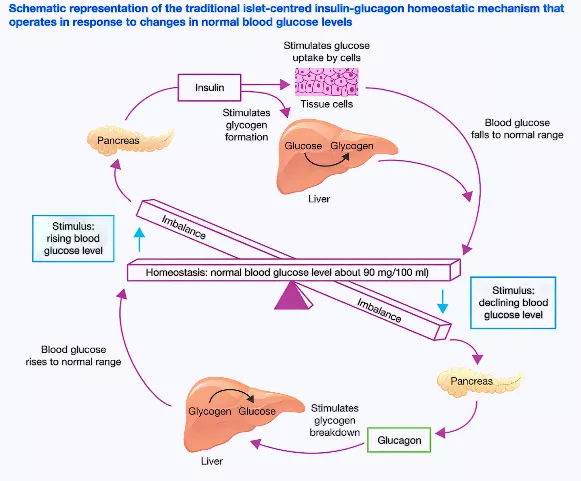
Hormonal control of metabolism: regulation of plasma glucose (2023). From ScienceDirect.
Preserving pancreatic β-cell function
By delaying β-cell apoptosis and promoting their proliferation, peptide-based drugs slow the progression of diabetes. In some patients, this enhances endogenous glucose regulation and reduces dependence on exogenous insulin.
Preventing complications
Sustained and stable glycemic control reduces the risk of microvascular complications such as diabetic nephropathy and retinopathy. It also improves vascular endothelial function, lowers the incidence of cardiovascular events, and enhances long-term quality of life.
2. Weight Control: Multidimensional Regulation for Body Composition Optimization
For overweight and obese individuals, peptide-based pharmaceuticals establish a new balance between energy intake and expenditure through dual central and peripheral actions.
Central appetite suppression
Satiety peptides (e.g., GLP-1 receptor agonists) act on the hypothalamic feeding center, inhibiting hunger signal transmission and delaying gastric emptying. This significantly reduces appetite and caloric intake, leading to sustained weight loss, particularly effective in reducing abdominal visceral fat.
Promoting fat catabolism
Certain peptides (e.g., AOD 9604) activate lipase activity in adipocytes, accelerating triglyceride hydrolysis and promoting fatty acid oxidation for energy. They also inhibit fat synthesis, reducing body fat accumulation. Combined with lifestyle interventions, these effects further optimize weight control.
Regulating weight-related hormones
By improving leptin resistance and enhancing growth hormone secretion, peptide-based drugs increase basal metabolic rate, promote energy expenditure, and reduce the risk of obesity-related diseases (e.g., hypertension, hyperlipidemia).
3. Growth Hormone Regulation: Lifespan Support for Development and Metabolism
Peptide-based pharmaceuticals play key roles across different age groups by precisely regulating the growth hormone (GH)–insulin-like growth factor-1 (IGF-1) axis.
Promoting pediatric growth and development
Growth hormone-releasing peptides (e.g., semorelin) specifically stimulate pituitary GH secretion, significantly promoting skeletal linear growth and muscle development in children with growth hormone deficiency and improving overall growth retardation.
Intervening in adult metabolic aging
For middle-aged and elderly individuals with GH decline-induced muscle atrophy and fat accumulation, peptides such as tesamorelin promote pulsatile GH secretion, increasing lean body mass, reducing abdominal fat deposition, improving lipid profiles, and delaying metabolic aging.
Special population applications
In patients with HIV-related lipodystrophy, growth hormone-regulating peptides selectively reduce abnormal visceral fat accumulation, restore body composition balance, and improve drug-induced metabolic disorders.
4. Energy Metabolism Improvement: Pathway Optimization from Cellular to Systemic Levels
Peptide-based pharmaceuticals enhance energy utilization efficiency and correct metabolic disorders by regulating energy metabolism pathways in multiple organs.
Boosting mitochondrial function
Mitochondria-targeted peptides (e.g., SS-31) protect mitochondrial membrane integrity, promote adenosine triphosphate (ATP) synthesis, and enhance cellular energy output efficiency. This is particularly beneficial in high-energy-demand organs such as the heart and skeletal muscle, improving energy supply and alleviating fatigue.
Regulating key metabolic enzyme activity
Certain peptides activate energy-sensing pathways such as AMPK, promoting the expression of glucose transporter 4 (GLUT4), enhancing glucose uptake in muscle and adipose tissues, and inhibiting hepatic gluconeogenesis—thereby comprehensively improving insulin sensitivity.
Ameliorating lipid metabolism disorders
Multitarget peptides (e.g., retatrutide) inhibit adipocyte differentiation, promote fatty acid β-oxidation, and reduce triglyceride and very-low-density lipoprotein (VLDL) levels. In the treatment of non-alcoholic fatty liver disease (NAFLD), they show potential in reducing intrahepatic fat deposition, contributing to the comprehensive improvement of metabolic syndrome.
Conclusion
Metabolic and endocrine regulation plays an irreplaceable role in human health. As key pathways, diabetes management, weight control, growth hormone regulation, and energy metabolism improvement are closely linked to normal physiological functions and disease prevention. The core of metabolic and endocrine regulation lies in the precise control of material and energy metabolism through hormonal networks, and the rise of peptide-based pharmaceuticals has provided efficient, targeted intervention tools for this process. From maintaining glycemic homeostasis in diabetic patients to reshaping body composition in obese individuals, and from supporting pediatric growth to delaying adult metabolic aging, peptide-based drugs demonstrate cross-lifespan application value. Their advantages extend beyond improving single indicators; they enable comprehensive intervention in complex issues such as diabetic complications, cardiovascular risks, and organ dysfunction through multi-pathway regulation.
ALL ARTICLES AND PRODUCT INFORMATION PROVIDED ON THIS WEBSITE ARE SOLELY FOR INFORMATION DISSEMINATION AND EDUCATIONAL PURPOSES.
The products provided on this website are intended exclusively for in vitro research. In vitro research (Latin: *in glass*, meaning in glassware) is conducted outside the human body. These products are not pharmaceuticals, have not been approved by the U.S. Food and Drug Administration (FDA), and must not be used to prevent, treat, or cure any medical condition, disease, or ailment. It is strictly prohibited by law to introduce these products into the human or animal body in any form.
<
By Peplyte 27 days ago.
Muscle and tissue repair are core physiological processes that maintain motor function, structural integrity, and post-injury functional reconstruction, involving complex mechanisms such as cell proliferation, extracellular matrix (ECM) remodeling, angiogenesis, and inflammatory microenvironment regulation. Key scenarios in this field—including muscle growth, wound healing, joint repair, and sports injury recovery—rely on precise interventions in satellite cell activation, fibroblast function, cartilage matrix metabolism, and neuromuscular junction repair. Peptide substances, with their high biological activity and target specificity, can specifically modulate cellular signaling pathways, promote tissue regeneration, and inhibit fibrosis, emerging as critical tools to overcome bottlenecks in traditional repair therapies and demonstrating broad application prospects in sports medicine, trauma surgery, and regenerative medicine.
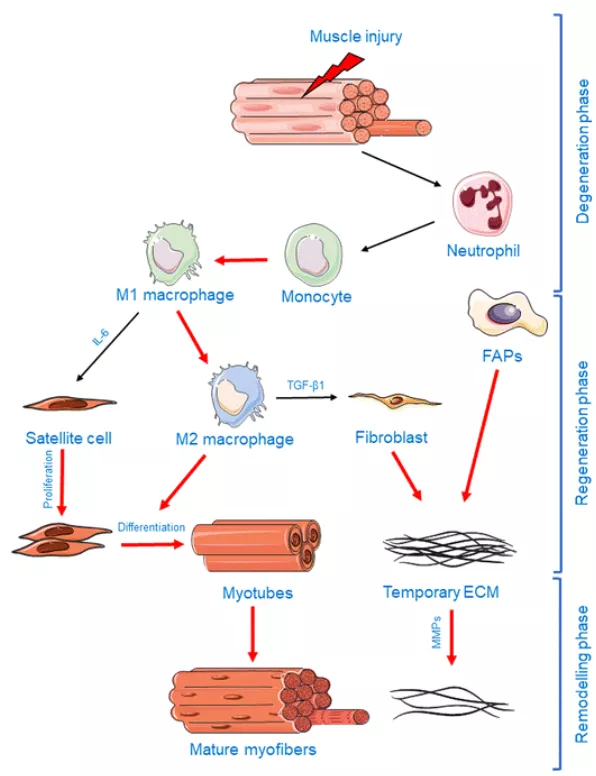
Figure 1 An overview of skeletal muscle repair following injury showing the three phases of muscle repair. Source: Cell and Tissue Research.
Core Application Areas
1. Muscle Growth: Promoting Myocyte Synthesis and Inhibiting Catabolism
Peptide substances optimize muscle mass and function by regulating anabolic and catabolic pathways.
Satellite cell activation and proliferation
Growth hormone-releasing peptides (e.g., CJC-1295) activate growth hormone secretagogue receptors, stimulating pituitary growth hormone release and promoting insulin-like growth factor-1 (IGF-1) synthesis. This activates downstream pathways to induce satellite cells to transition from a quiescent state to a proliferative state, accelerating myofibrillar protein synthesis. These peptides also inhibit ubiquitin-proteasome system activity, reducing muscle protein degradation, making them particularly suitable for aging-related, disuse-induced muscle atrophy, and post-exercise muscle repair.
Adipocyte metabolism and muscle protection
Certain peptides (e.g., AOD 9604) reduce inflammatory factor secretion between adipocytes and myocytes by activating brown adipose tissue thermogenesis and white adipose browning, improving the muscle microenvironment. Their protective effect on myocyte mitochondrial function reduces exercise-induced oxidative damage and promotes fatigue recovery.
2. Wound Healing: Multistage Regulation of the Repair Process
From the inflammatory response to tissue remodeling, peptide substances regulate the entire cycle of wound healing.
Inflammatory phase regulation
Peptides such as TB 500 inhibit excessive neutrophil activation and free radical release, reducing inflammatory damage. They also promote macrophage polarization toward the anti-inflammatory M2 phenotype, accelerating the clearance of necrotic tissue and creating a suitable microenvironment for repair.
Antimicrobial peptides (e.g., LL37) directly kill pathogens and regulate immune cell chemotaxis, reducing wound infection risk. Their activation of epidermal growth factor receptors enhances keratinocyte migration capacity.
Proliferation and remodeling phase promotion
Gastrointestinal protective peptides (e.g., BPC-157) activate vascular endothelial growth factor (VEGF) and fibroblast growth factor (FGF) signaling, promoting endothelial cell proliferation and neovascularization to accelerate wound blood supply reconstruction. They also upregulate the expression of type I collagen and fibronectin, enhancing granulation tissue strength.
Peptides such as GHK-Cu, as copper ion carriers, promote lysyl oxidase activity, accelerating collagen fiber cross-linking and maturation to improve the tensile strength of scar tissue. Their inhibition of matrix metalloproteinases reduces excessive ECM degradation, preventing scar hyperplasia.
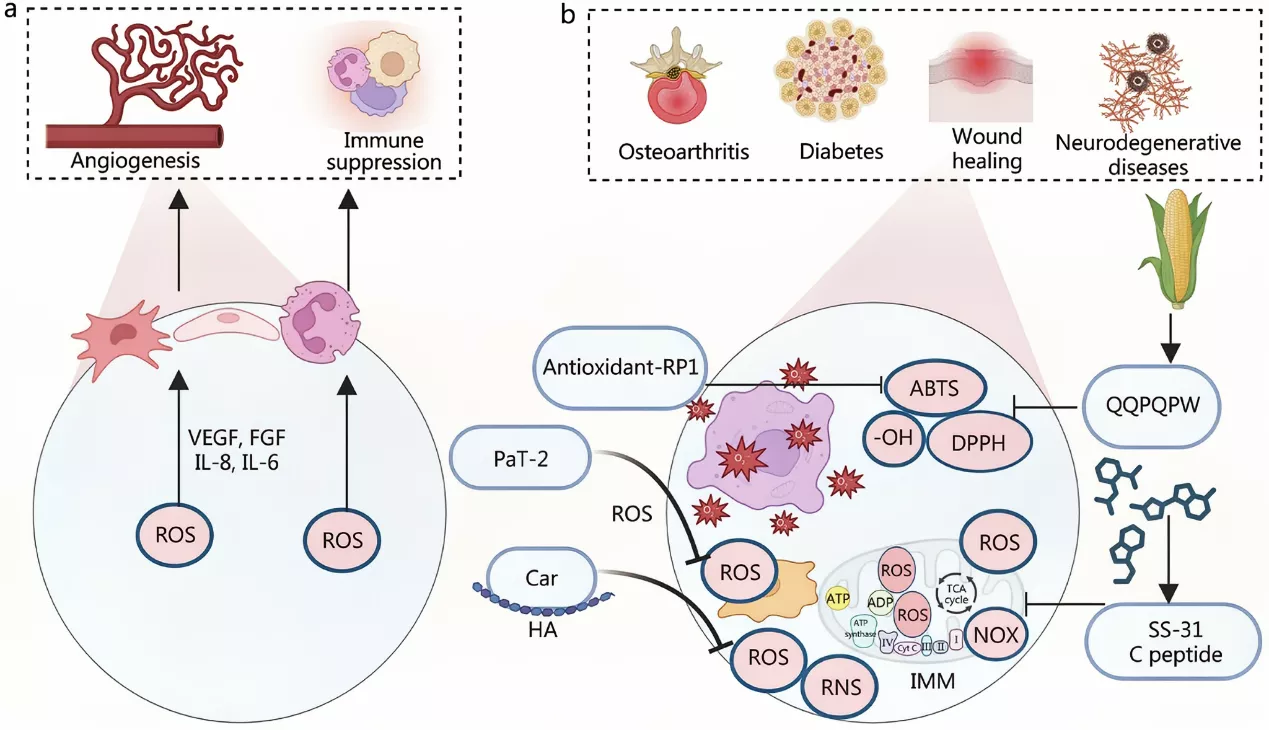
Figure 2 Bioactive peptides and proteins regulate the ROS family during physiological and pathological processes. Source: Bioactive peptides and proteins for tissue repair: microenvironment modulation, rational delivery, and clinical potential (2024).
3. Joint Repair: Cartilage Protection and Synovial Inflammation Regulation
Aiming at articular cartilage wear and synovitis, peptide substances protect chondrocytes and inhibit fibrosis.
Cartilage matrix maintenance
Chondroitin-related peptides (e.g., Chonluten) promote chondrocyte synthesis of proteoglycans and type II collagen, inhibiting cartilage matrix degradation and delaying cartilage degeneration in osteoarthritis. Their upregulation of related genes maintains chondrocyte phenotype, reducing hypertrophy and calcification.
Cartilage-protective peptides (e.g., Cartalax) inhibit excessive proliferation of fibroblast-like synoviocytes (FLS) and pro-inflammatory factor secretion, alleviating synovial inflammation-induced cartilage erosion, suitable for adjuvant therapy in rheumatoid and traumatic arthritis.
Cell protection and apoptosis inhibition
SS-31, a mitochondria-targeted peptide, embeds in chondrocyte mitochondrial membranes, maintaining membrane potential stability and reducing oxidative stress-induced apoptosis to protect the survival of deep articular cartilage cells.
4. Sports Injury Recovery: Accelerating Repair and Functional Reconstruction
For muscle strains, tendon injuries, and ligament tears, peptide substances enhance recovery efficiency by regulating repair cell functions and ECM remodeling.
Tendon/ligament repair enhancement
Certain peptides (e.g., TB 500 fragment) promote tendon stem cell differentiation into tenocytes, upregulate the expression of tenascin-C and tendonectin, enhance the orderliness of collagen fiber arrangement, reduce scar tissue formation, and improve the mechanical properties of injured sites.
Peptides such as CJC-1295, through sustained growth hormone release, promote satellite cell migration to injured tendons, accelerating collagen fiber synthesis and shortening the recovery cycle of sports injuries—particularly beneficial for athletes’ rapid rehabilitation.
Conclusion
The application of peptide substances in muscle and tissue repair marks a therapeutic upgrade from "passive repair" to "active regeneration." By targeting core pathways such as satellite cell activation, ECM remodeling, angiogenesis, and inflammation regulation, these substances balance anabolic and catabolic metabolism in muscle growth, coordinate multistage processes in wound healing, protect cartilage matrix and inhibit inflammation in joint repair, and accelerate functional reconstruction in sports injuries—demonstrating multidimensional mechanistic advantages.
ALL ARTICLES AND PRODUCT INFORMATION PROVIDED ON THIS WEBSITE ARE SOLELY FOR INFORMATION DISSEMINATION AND EDUCATIONAL PURPOSES.
The products provided on this website are intended exclusively for in vitro research. In vitro research (Latin: *in glass*, meaning in glassware) is conducted outside the human body. These products are not pharmaceuticals, have not been approved by the U.S. Food and Drug Administration (FDA), and must not be used to prevent, treat, or cure any medical condition, disease, or ailment. It is strictly prohibited by law to introduce these products into the human or animal body in any form.
<
By Peplyte 25 days ago.
Reproductive health is a vital component of overall human health, with its core lying in the functional balance of the reproductive system under hormonal regulation. Reproductive health and hormonal regulation represent a central function of the human endocrine system, involving key physiological processes such as gamete production, sex hormone balance, fertility maintenance, and sexual function regulation. These processes rely on the precise control of the hypothalamic-pituitary-gonadal (HPG) axis, encompassing core links such as ovulation induction, sex hormone replacement, fertility treatment, and sexual function modulation. Peptide-based drugs, characterized by high biological activity, strong target specificity, and good biocompatibility, have become important tools for intervening in reproductive endocrine disorders. They correct hormonal imbalances at the mechanistic level, providing innovative solutions for issues such as infertility, sex hormone deficiency, and sexual dysfunction.
Core Application Areas
1. Ovulation Induction: Reshaping Follicular Development and Ovulation Cycle
Ovulation induction is a key strategy for treating female anovulatory infertility. Peptide-based drugs precisely regulate follicular development by mimicking natural gonadotropin-releasing hormone (GnRH) or directly supplementing gonadotropins.
GnRH analog regulation
By modulating the activity of pituitary GnRH receptors, these drugs inhibit the premature occurrence of the endogenous luteinizing hormone (LH) surge, preventing premature follicular luteinization. This creates a stable hormonal environment for controlled ovarian hyperstimulation (COH) in assisted reproductive technology (ART), improving the efficiency of high-quality follicle recruitment.
Application of gonadotropin peptides
Human chorionic gonadotropin (hCG) mimics LH function to trigger ovulation in mature follicles; human menopausal gonadotropin (hMG), containing follicle-stimulating hormone (FSH) and LH activities, directly stimulates follicular growth and development, significantly enhancing the success rates of natural conception and ART.
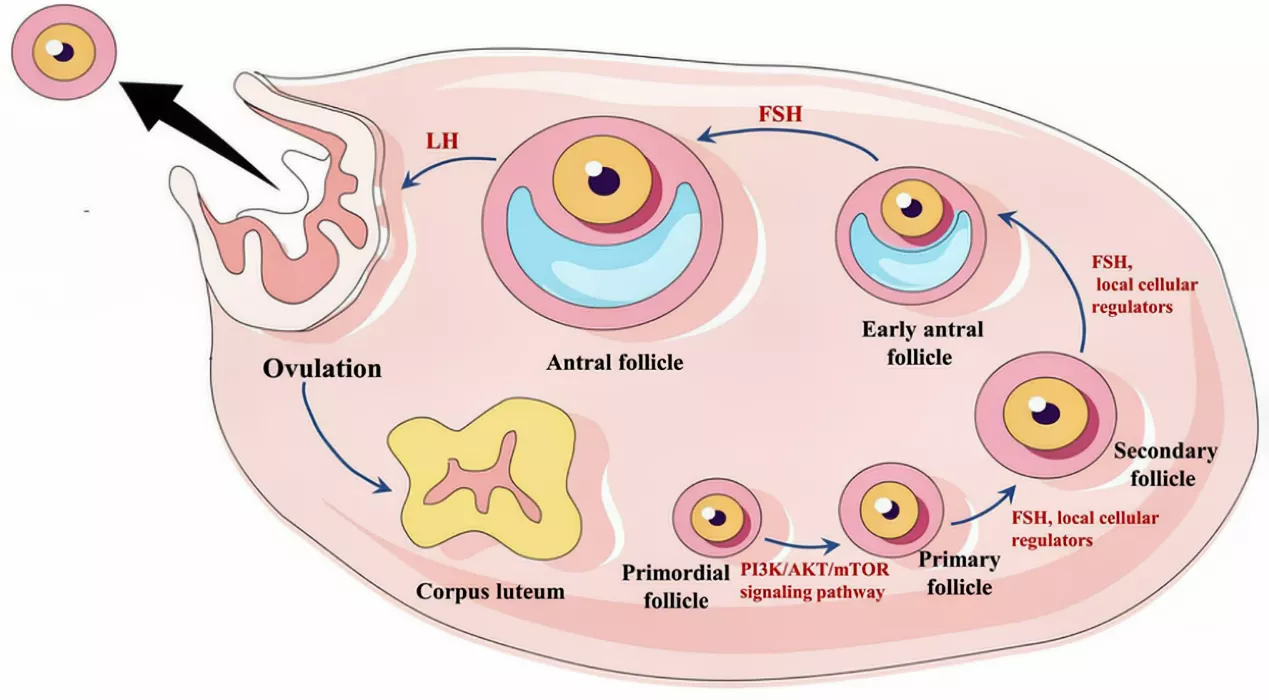
Figure 1 Hormonal regulation of follicle growth and expulsion. Primordial follicles transition to primary stage via PI3K/AKT/mTOR signaling, then develop into sinus follicles through FSH and local regulators. Finally, LH triggers oocyte maturation and ovulation. Source: Frontiers in Medicine.
2. Sex Hormone Replacement: Rebuilding Endocrine Balance
For diseases related to sex hormone deficiency or imbalance, peptide-based drugs achieve physiological hormone replacement by regulating the HPG axis or directly supplementing hormone precursors.
GnRH pulse therapy
Indicated for patients with hypothalamic hypogonadism, this therapy involves periodic infusion of GnRH analogs to mimic physiological pulsatile secretion. This stimulates the pituitary to release FSH/LH, promoting gonadal development and sex hormone synthesis, and restoring pubertal development or fertility.
Testosterone and estrogen-regulating peptides
Some synthetic peptides enhance GnRH neuron activity, promoting pulsatile LH secretion to indirectly regulate testosterone/estrogen levels. This improves symptoms such as low libido and menstrual disorders caused by hypogonadism.
3. Fertility Treatment: Critical Support for Assisted Reproductive Technology
In the field of assisted reproduction, peptide-based drugs are used throughout the entire process—follicular development, oocyte retrieval, and luteal support—to enhance treatment safety and success rates.
Hyperstimulation phase
hMG combined with FSH peptide formulations precisely controls follicle recruitment, reducing the risk of ovarian hyperstimulation syndrome (OHSS); GnRH antagonists inhibit the early LH surge, preventing premature oocyte maturation or loss.
Oocyte retrieval and luteal phase:
hCG triggers final oocyte maturation, and postoperative supplementation with hCG or GnRH agonists maintains luteal function, improves endometrial receptivity, and enhances embryo implantation rates.
Male fertility intervention: Gonadotropin-releasing peptides regulate male LH/FSH secretion, promoting spermatogenesis and protecting fertility in idiopathic oligoasthenospermia.
4. Sexual Function Modulation: Bidirectional Intervention in Neuroendocrine Pathways
Sexual dysfunction (e.g., erectile dysfunction, decreased libido) is often associated with hormonal imbalance and abnormal neural signaling. Peptide-based drugs improve function through dual central and peripheral mechanisms.
Central excitatory peptides
Certain peptide products (e.g., Pt141) act as melanocortin receptor agonists, activating the hypothalamic-spinal pathway to enhance sexual arousal. They are particularly effective for vascular or psychogenic erectile dysfunction and are unaffected by food or alcohol.
Hormonal regulation and emotional association
Peptide products such as oxytocin promote the release of neurotransmitters related to intimate behavior, improving emotional disorders associated with sexual function. They also regulate uterine contractions and lactation, playing multiple roles in perinatal reproductive health; growth hormone-releasing peptides (e.g., ipamorelin) indirectly improve male libido and sexual performance by increasing testosterone levels.
Conclusion
The application of peptide-based drugs in reproductive health and hormonal regulation marks a shift from empirical treatment to mechanistic intervention. By precisely targeting the HPG axis, neuroendocrine pathways, and gonadal functions, these drugs demonstrate multidimensional advantages in ovulation induction, sex hormone replacement, fertility treatment, and sexual function modulation: they not only meet the high-precision requirements of assisted reproductive technology but also enable personalized regulation according to individual differences.
ALL ARTICLES AND PRODUCT INFORMATION PROVIDED ON THIS WEBSITE ARE SOLELY FOR INFORMATION DISSEMINATION AND EDUCATIONAL PURPOSES.
The products provided on this website are intended exclusively for in vitro research. In vitro research (Latin: *in glass*, meaning in glassware) is conducted outside the human body. These products are not pharmaceuticals, have not been approved by the U.S. Food and Drug Administration (FDA), and must not be used to prevent, treat, or cure any medical condition, disease, or ailment. It is strictly prohibited by law to introduce these products into the human or animal body in any form.
<
By Peplyte 26 days ago.
The liver, as a central organ for metabolism and detoxification in the human body, undertakes critical functions such as biosynthesis, energy storage, and elimination of harmful substances. Oxidative stress, toxin accumulation, and metabolic disorders are primary triggers of liver injury, fatty liver, and hepatic fibrosis. The core of liver protection, detoxification, and antioxidative stress lies in maintaining hepatocyte functional integrity, enhancing detoxifying enzyme activity, and scavenging excessive free radicals. Peptide substances, with their high biological activity and target specificity, can specifically regulate hepatic metabolic pathways, protect hepatocytes from oxidative damage, and promote biotransformation and excretion of toxins, emerging as innovative tools for preventing and intervening in liver diseases—demonstrating significant potential in alcoholic liver disease, non-alcoholic fatty liver disease (NAFLD), and drug-induced liver injury.
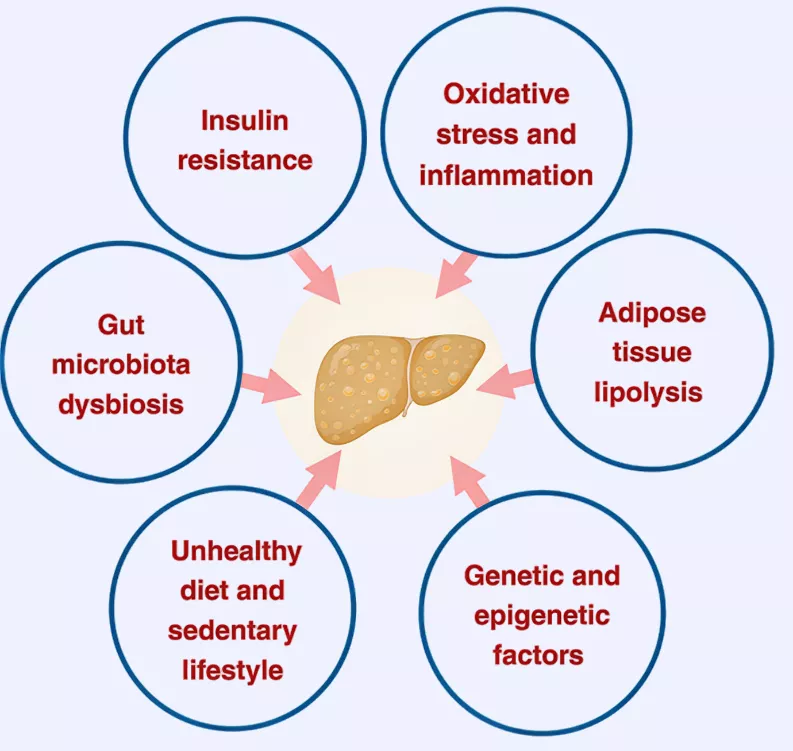
Figure 1 Risk factors of non-alcoholic fatty liver disease (NAFLD). Source: A Review on the Protecting Effects and Molecular Mechanisms of Berries Against a Silent Public Health Concern: Non-Alcoholic Fatty Liver Disease (2024).
Core Application Areas
1. Hepatic Protection: Maintaining Hepatocyte Structural and Functional Integrity
Peptide substances construct a protective barrier for the liver through anti-apoptosis, pro-repair, and regulation of hepatocyte metabolism.
Inhibition of hepatocyte apoptosis
Mitochondria-targeted peptides (e.g., SS-31) embed in hepatic and mitochondrial membranes, stabilizing mitochondrial membrane potential and inhibiting the release of cytochrome C and activation of caspase-3. This reduces oxidative stress- or drug-induced hepatocyte apoptosis. Their protective effect on mitochondrial complexes maintains hepatocyte energy metabolism, particularly mitigating hepatic lobular necrosis in ischemia-reperfusion injury.
Copper peptides (e.g., GHK-Cu) promote phosphorylation of hepatocyte growth factor receptors, activating downstream pathways to accelerate DNA repair and organelle regeneration in damaged hepatocytes. They also inhibit transforming growth factor-β (TGF-β)-mediated fibrogenic signaling, delaying the progression of hepatic fibrosis.
Hepatic membrane protection
Liver-protective peptides reduce trans-membrane penetration of endotoxins and toxic metabolites by enhancing the expression of tight junction proteins in hepatic membranes, decreasing direct damage to hepatocytes by inflammatory factors. This makes them suitable for early intervention in alcoholic liver disease.
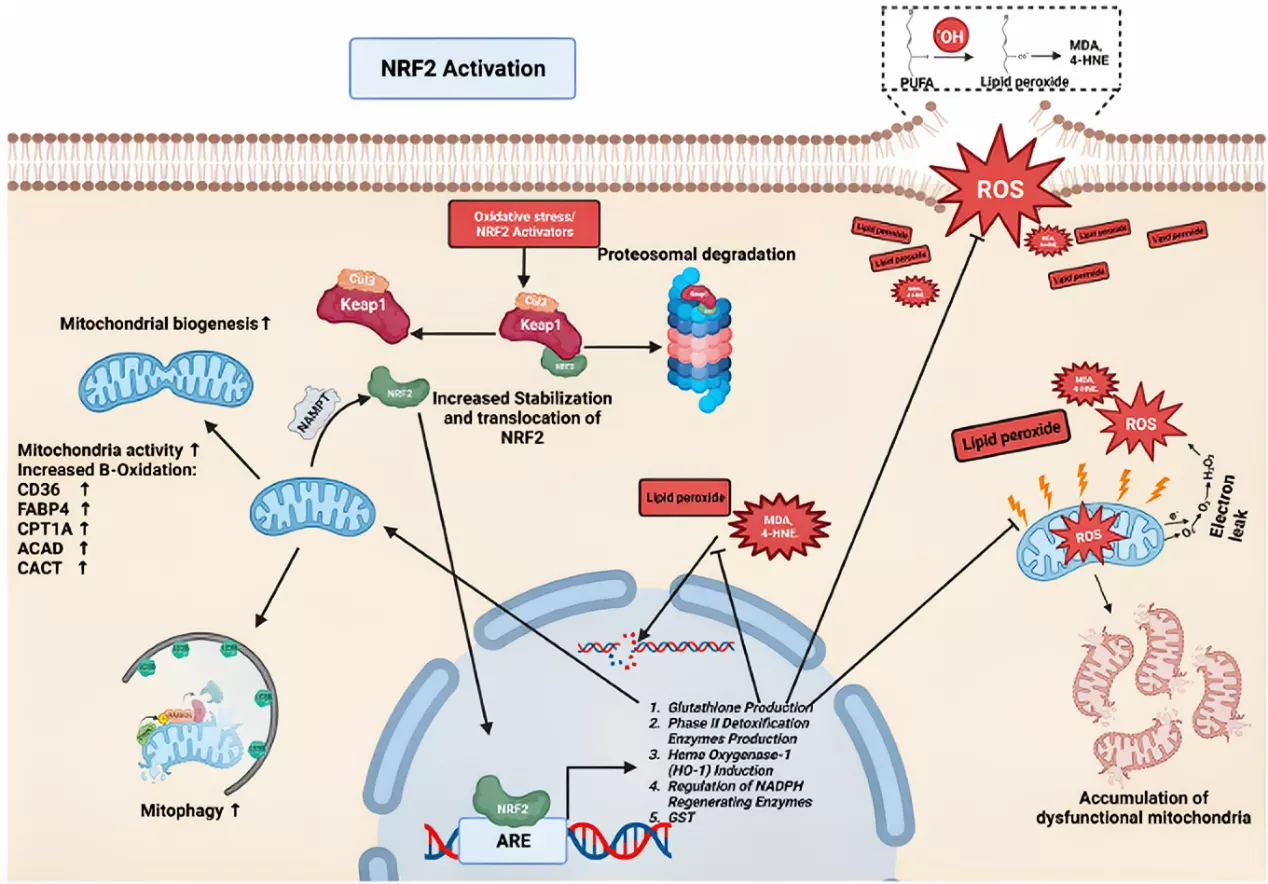
Figure 2 Nuclear factor erythroid 2-related factor 2 (NRF2) regulation and NRF2-mitochondrial interplay in chronic liver disease. Source: The Roles of NFR2-Regulated Oxidative Stress and Mitochondrial Quality Control in Chronic Liver Diseases (2023).
2. Detoxification: Enhancing Hepatic Biotransformation and Excretion Functions
The liver serves as the body’s detoxification organ, responsible for metabolizing and eliminating exogenous substances such as toxins and drugs. Liver-protective peptides participate in hepatic detoxification processes, promoting the metabolism and excretion of toxic substances to reduce their hepatotoxic effects.
Activation of Phase I/II metabolic pathways
Glutathione (GSH, such as GSH precursor peptides), as a vital antioxidant and conjugation substrate in hepatocytes, directly participates in Phase II detoxification reactions by binding to electrophilic toxins to form water-soluble complexes excreted via bile. Certain peptides increase intracellular GSH reserves and enhance the activity of glutathione S-transferase (GST), accelerating detoxification of acetaminophen and alcohol metabolites (e.g., acetaldehyde).
Nicotinamide adenine dinucleotide (NAD, such as NAD-related peptides), as a coenzyme for redox reactions, participates in catalytic reactions of Phase I enzymes such as alcohol dehydrogenase and cytochrome P450, promoting the conversion of lipophilic toxins into polar metabolites. Increased NAD levels enhance the liver’s metabolic efficiency for drugs and toxins.
Regulation of bile acid metabolism
Liver-protective peptides (e.g., Pnc 27) are hypothesized to activate farnesoid X receptor (FXR) or pregnane X receptor (PXR), regulating the expression of key enzymes and transporters involved in bile acid synthesis. This promotes bile acid excretion, reduces intrahepatic accumulation of toxic bile acids, and improves the pathological state of cholestatic liver disease.
3. Antioxidative Stress: Scavenging Free Radicals and Repairing Oxidative Damage
Hepatocyte injury caused by oxidative stress is a critical step in liver disease progression. Peptide substances exert protective effects through multi-target antioxidation.
Free radical scavenging and enzyme activity regulation
Glutathione directly neutralizes free radicals such as superoxide anions and hydrogen peroxide. As a substrate for glutathione peroxidase, it catalyzes the reduction of lipid peroxides, reducing membrane lipid peroxidation damage.
Antimicrobial peptides (e.g., LL37), beyond their antimicrobial functions, inhibit NADPH oxidase to reduce intracellular reactive oxygen species (ROS) production in hepatocytes, blocking oxidative stress-induced pathway activation and thus inhibiting hepatocyte apoptosis and inflammatory factor secretion.
Mitochondrial function protection
Mitochondria-targeted peptides (e.g., SS-31) maintain mitochondrial dynamic balance, reducing mitochondrial fragmentation and dysfunction. This ensures stable energy supply in hepatocytes and indirectly lowers the risk of oxidative damage to DNA and proteins.
Conclusion
The application of peptide substances in antioxidation and liver health focuses on core mechanisms of hepatocyte protection, detoxification pathway enhancement, and oxidative stress regulation, providing multidimensional solutions for the prevention and treatment of liver diseases. By targeting mitochondrial function, detoxifying enzyme systems, and redox balance, these substances not only directly scavenge free radicals and inhibit hepatocyte apoptosis but also reshape hepatic metabolic phenotypes through nuclear receptor regulation—demonstrating mechanistic advantages in the comprehensive management of fatty liver, liver injury, and hepatic fibrosis.
ALL ARTICLES AND PRODUCT INFORMATION PROVIDED ON THIS WEBSITE ARE SOLELY FOR INFORMATION DISSEMINATION AND EDUCATIONAL PURPOSES.
The products provided on this website are intended exclusively for in vitro research. In vitro research (Latin: *in glass*, meaning in glassware) is conducted outside the human body. These products are not pharmaceuticals, have not been approved by the U.S. Food and Drug Administration (FDA), and must not be used to prevent, treat, or cure any medical condition, disease, or ailment. It is strictly prohibited by law to introduce these products into the human or animal body in any form.
<
By Peplyte 29 days ago.
The nervous system regulates cognition, emotion, and bodily functions through complex neurotransmitter networks and cellular signaling pathways. Damage or degeneration within this system can lead to major health issues such as Alzheimer’s disease, Parkinson’s disease, anxiety, depression, and neural trauma. Core pathways for maintaining neurological and cognitive health—including neuroprotection, cognitive enhancement, emotional regulation, and neural injury repair—rely on precise interventions in neuronal survival, synaptic plasticity, neuroinflammation, and regenerative mechanisms. Peptide substances, with their high biological activity and blood-brain barrier permeability, have emerged as ideal molecules for targeting neural pathways. They delay neurodegeneration at the cellular level and promote functional repair, opening new directions for the prevention and treatment of neurological disorders.
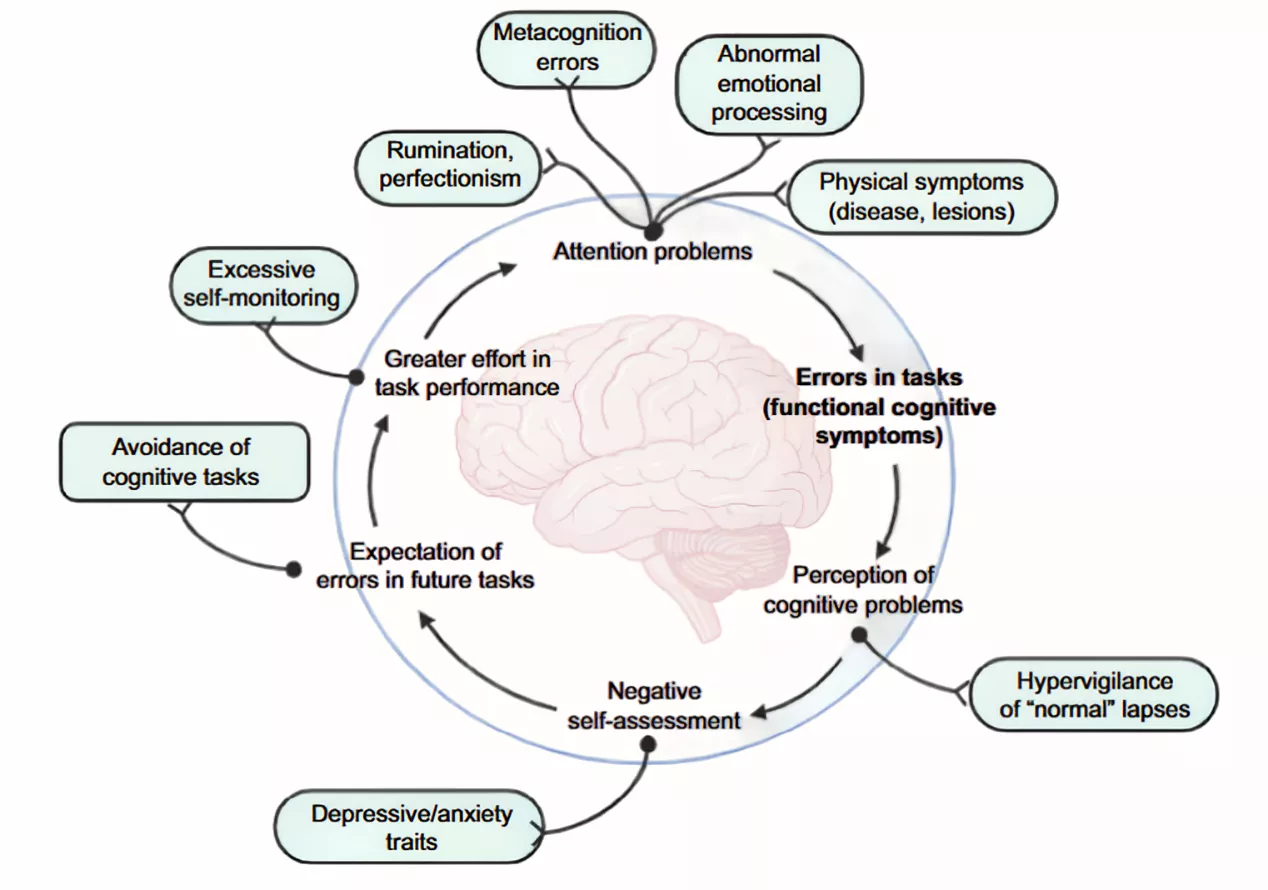
Figure 1 Proposed pathogenic mechanisms of functional cognitive disorders. Source: Functional cognitive disorder: Beyond pseudodementia (2024).
Mechanisms and Clinical Value of Core Application Areas
1. Neuroprotection: Multidimensional Defense Against Neurodegenerative Damage
Peptide substances construct a defensive barrier for nerve cells through antioxidation, anti-inflammation, and mitochondrial protection.
Mitigating oxidative stress damage
Mitochondria-targeted peptides (e.g., SS-31) embed in the mitochondrial inner membrane, inhibiting excessive reactive oxygen species (ROS) production. This protects mitochondrial DNA and membrane integrity, delaying neuronal apoptosis. In models of ischemic stroke and Parkinson’s disease, these peptides significantly reduce dopaminergic neuron loss.
Inhibiting neuroinflammatory cascades
Certain peptides (e.g., Cerebrolysin), as neuropeptide complexes, downregulate the NF-κB inflammatory pathway. They reduce excessive microglial activation and β-amyloid (Aβ)-induced inflammatory responses while promoting the expression of neurotrophic factors (BDNF, NGF), maintaining a microenvironment conducive to neuronal survival.
Protecting the blood-brain barrier
Peptides such as TB 500 enhance the expression of tight junction proteins in vascular endothelial cells, reducing the penetration of harmful substances. This particularly mitigates the risk of brain edema and neuronal necrosis in traumatic brain injury.
2. Cognitive Enhancement: Enhancing Synaptic Plasticity and Memory Function
Aiming at cognitive decline and learning-memory impairments, peptide substances act by regulating neurotransmitters and synaptic structures.
Synaptic enhancement by nootropic peptides
Some peptides (e.g., Sema) mimic the activity of thyrotropin-releasing hormone, promoting the release of dopamine and norepinephrine. This enhances synaptic plasticity in the hippocampus, improving spatial memory in Alzheimer’s disease models. Clinical studies show they can elevate cognitive scores and information processing speed.
Cholinergic system regulation
Certain cholinergic-mimicking peptides enhance acetylcholine transmission efficiency and improve choline concentration in synaptic clefts, holding potential for intervening in mild cognitive impairment and postoperative cognitive decline.
Anti-amyloid deposition:
Aβ-targeting sequences (e.g., peptide segment 176–191) inhibit Aβ fibril aggregation, reducing the formation of neurotoxic plaques and delaying the pathological progression of Alzheimer’s disease, making them a research hotspot for early intervention.
3. Emotional Regulation: Reshaping Neurotransmitter Balance and Stress Response
Peptide substances intervene in mood disorders such as anxiety and depression by acting on the limbic system and neuroendocrine axis.
5-HT pathway modulation
Some peptides (e.g., Selank), as positive modulators of GABA_A receptors, enhance γ-aminobutyric acid (GABA) inhibitory transmission, rapidly alleviating anxiety symptoms. Their onset speed and safety profile surpass traditional benzodiazepines. Tachykinin receptor antagonist peptides improve anhedonia in depression by inhibiting substance P release.
HPA axis regulation
Peptides such as oxytocin enhance prefrontal cortical regulation of the amygdala, reducing stress hormone cortisol levels. This improves emotional memory processing in social anxiety and post-traumatic stress disorder (PTSD).
Neuroplasticity repair
BDNF-derived peptides promote dendritic spine growth in hippocampal neurons, restoring synaptic density reduced by chronic stress and repairing emotional regulation functions at the structural level.
4. Neural Injury Repair: Activating Regenerative Programs and Axonal Regrowth
For irreversible injuries such as spinal cord injury and peripheral neuropathy, peptide substances overcome the inhibitory microenvironment of regeneration.
Promoting axonal growth
NGF-mimicking peptides activate TrkA receptors, inducing neuronal axon elongation. In sciatic nerve injury models, they accelerate axonal regrowth and improve motor function recovery. Chondroitinase-related peptides (e.g., Chonluten) degrade inhibitory proteoglycans like chondroitin sulfate, clearing scar barriers after spinal cord injury.
Regulating Schwann cell function
Gastrointestinal protective peptides (e.g., BPC-157) promote Schwann cell proliferation and myelin formation, improving nerve conduction velocity in diabetic peripheral neuropathy and alleviating pain and sensory abnormalities.
Stem cell mobilization and differentiation
FGF-2-derived peptides induce endogenous neural stem cells to migrate to injury sites and differentiate into functional neurons and glial cells, providing a cellular basis for central nervous system regeneration.
Conclusion
The application of peptide substances in neurological and cognitive health marks a shift from "symptom relief" to "neural regeneration" in therapeutic paradigms. By targeting oxidative stress, synaptic function, neuroinflammation, and regenerative pathways, these substances exhibit multi-mechanistic synergistic advantages in neuroprotection, cognitive enhancement, emotional regulation, and injury repair—particularly demonstrating irreplaceable potential in refractory neurodegenerative diseases and trauma repair.
ALL ARTICLES AND PRODUCT INFORMATION PROVIDED ON THIS WEBSITE ARE SOLELY FOR INFORMATION DISSEMINATION AND EDUCATIONAL PURPOSES.
The products provided on this website are intended exclusively for in vitro research. In vitro research (Latin: *in glass*, meaning in glassware) is conducted outside the human body. These products are not pharmaceuticals, have not been approved by the U.S. Food and Drug Administration (FDA), and must not be used to prevent, treat, or cure any medical condition, disease, or ailment. It is strictly prohibited by law to introduce these products into the human or animal body in any form.
<
By Peplyte 25 days ago.
Aging and skin issues arise from the combined effects of multiple factors, involving core mechanisms such as collagen loss, oxidative stress damage, melanin deposition, telomere shortening, and decline in cellular energy metabolism. Peptide substances, as bioactive molecules, exhibit unique advantages in wrinkle reduction, melanin regulation, telomere protection, antioxidation, and skin whitening due to their high target specificity and biocompatibility. By mimicking natural peptides or optimizing molecular structures, these components precisely intervene in skin aging pathways, repairing damage at the cellular level and reshaping youthful skin texture, thus providing innovative solutions for precision anti-aging and medical cosmetology.
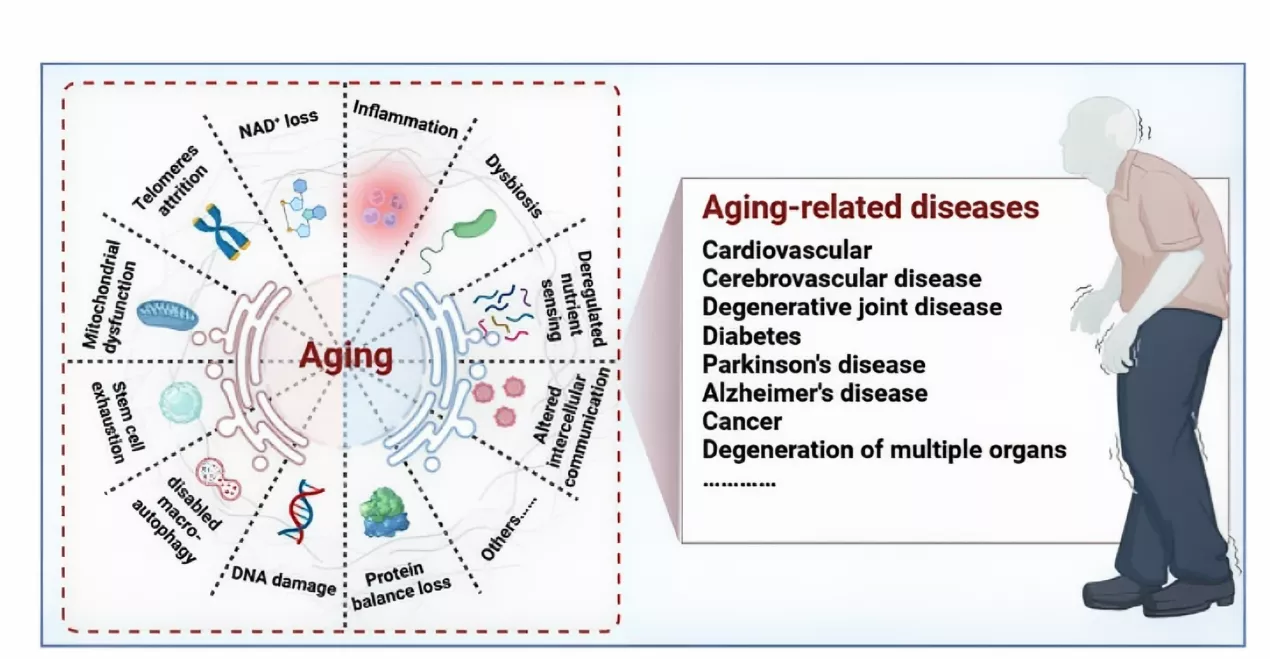
Figure 1 Aging drivers and age-related diseases. Source: Molecular mechanisms of aging and anti-aging strategies (2024).
Core Application Areas
1. Wrinkle Reduction: Reshaping Dermal Structure and Elasticity
Skin wrinkle formation is closely associated with dermal collagen loss, elastic fiber rupture, and fibroblast dysfunction. Peptide products improve wrinkles by activating collagen synthesis pathways and inhibiting matrix degrading enzyme activity.
Promoting collagen synthesis
Specific oligopeptides mimic transforming growth factor-β (TGF-β) signaling, stimulating fibroblasts to synthesize type I and III collagen and hyaluronic acid. This increases dermal thickness and improves static wrinkles (e.g., forehead lines, nasolabial folds).
Regulating neuromuscular transmission
Certain peptides (e.g., Snap-8) inhibit the formation of presynaptic SNARE protein complexes, reducing acetylcholine release and weakening the contraction amplitude of facial expression muscles. This alleviates dynamic wrinkles (e.g., glabellar lines, crow’s feet), with effects comparable to botulinum toxin but greater reversibility and safety.
Extracellular matrix repair
Peptides such as GHK-Cu promote glycosaminoglycan synthesis, enhance dermal water retention, and accelerate the repair of damaged collagen fibers, improving skin elasticity and smoothness.
2. Melanin Regulation: Balancing Pigment Production and Metabolism
Abnormal melanin deposition leading to pigmentation (e.g., melasma, sunspots) is a challenge in cosmetology. Peptide substances achieve uniform skin tone through bidirectional regulation of melanocyte function.
Inhibiting melanin synthesis
Specific oligopeptides suppress tyrosinase activity and mRNA expression, reducing the conversion of dopaquinone to melanin; glutathione (GSH) scavenges free radicals through antioxidation, blocking intracellular oxidative reactions in melanocytes while promoting melanin granule degradation and excretion.
Photoprotection and tanning regulation
Peptides such as Melanotan-1/-2 act as melanocyte-stimulating hormone analogs to activate MC1R receptors, promoting melanin synthesis and distribution. This enhances skin defense against ultraviolet (UV) radiation, reduces photodamage risk, and achieves physiological tanning to avoid DNA damage from direct UV exposure.
3. Telomere Protection: Slowing Cellular Aging Processes
Telomere shortening is a biological marker of cellular aging, and telomere peptides extend cell lifespan by regulating telomerase activity.
Regulating telomerase activity
Peptides such as Epitalon target nuclear telomere regions, activating the expression of telomerase catalytic subunit (TERT) to slow telomere shortening and delay the aging of fibroblasts and keratinocytes, thereby maintaining skin renewal capacity. These peptides increase cell division cycles and improve skin barrier function and water retention.
Regulating gene expression
By modulating aging-related genes such as p53 and p16, telomere peptides inhibit cell cycle arrest and reduce the release of pro-inflammatory factors from the senescence-associated secretory phenotype (SASP), suppressing the cascade of skin aging from its origin.
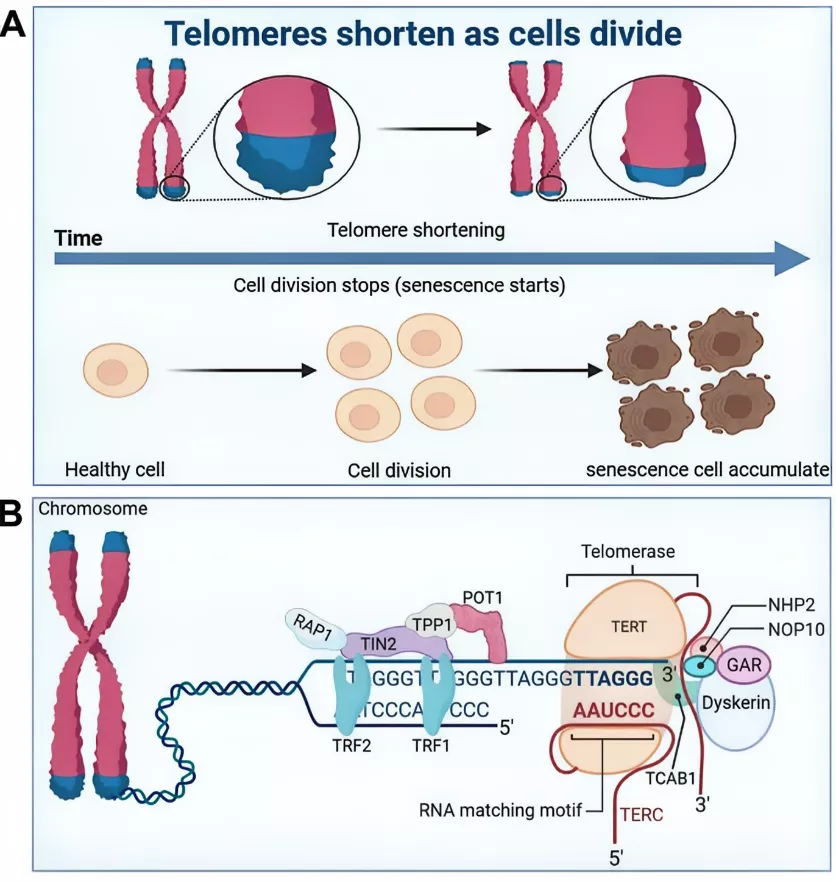
Figure 2 Telomere and telomerase structure, and their relationship with cell senescence. Source: Molecular mechanisms of aging and anti-aging strategies (2024).
4. Antioxidation: Scavenging Free Radicals and Protecting Cellular Structure
Oxidative stress is a primary inducer of skin aging, and peptide substances exert protective effects through multi-target antioxidation.
Free radical scavenging
Precursor peptides such as NAD enhance cellular energy metabolism, boost the activity of antioxidant enzymes like SOD and CAT, and reduce damage from superoxide anions and hydrogen peroxide; glutathione directly neutralizes free radicals, protecting cell membrane lipids and DNA from oxidative damage.
Mitochondrial protection
Peptides such as SS-31 embed in the mitochondrial inner membrane, inhibiting cytochrome C release and apoptosis pathway activation, maintaining mitochondrial membrane potential, and ensuring stable energy supply. This reduces oxidative stress-induced keratinocyte apoptosis and dermal collagen degradation.
5.Skin Whitening: Multi-pathway Synergy for Skin Tone Evenness
Whitening requires not only melanin inhibition but also comprehensive regulation of pigment transport, metabolism, and the skin barrier.
Inhibiting melanin transport
Certain peptide products block the transfer of melanin granules from melanocytes to keratinocytes, reducing epidermal pigment deposition; they also enhance stratum corneum metabolism, accelerating the exfoliation of melanin-containing keratinocytes.
Intervening in post-inflammatory hyperpigmentation
Peptides such as KPV inhibit the NF-κB inflammatory pathway, reducing UV- or inflammation-induced excessive melanin production. This is particularly suitable for repairing pigmentation in sensitive skin and post-acne lesions.
Conclusion
The application of peptide substances in anti-aging and cosmetology marks a scientific leap from "surface modification" to "mechanistic intervention." By targeting collagen synthesis, melanin metabolism, telomere protection, oxidative stress, and cellular energy pathways, these components enable multidimensional intervention in skin aging.
ALL ARTICLES AND PRODUCT INFORMATION PROVIDED ON THIS WEBSITE ARE SOLELY FOR INFORMATION DISSEMINATION AND EDUCATIONAL PURPOSES.
The products provided on this website are intended exclusively for in vitro research. In vitro research (Latin: *in glass*, meaning in glassware) is conducted outside the human body. These products are not pharmaceuticals, have not been approved by the U.S. Food and Drug Administration (FDA), and must not be used to prevent, treat, or cure any medical condition, disease, or ailment. It is strictly prohibited by law to introduce these products into the human or animal body in any form.
<